33 
Associate Professor, Dept. of Statistics and Data Science & Machine Learning, Dietrich College of Humanities and Social Sciences & School of Computer Science
Research Interests
- Statistical Machine Learning
- Non-convex Estimation
Bio
Dr. Balakrishnan is broadly interested in statistical machine learning. Most recently he has been working on understanding algorithms for solving non-convex estimation problems. He is a member of the CMU Topological Statistics group.
1 
Cadence Design Systems Professor of Computer Science, Machine Learning & Computer Science, School of Computer Science
Research Interests
- Foundations of Machine Learning
- Data Driven Algorithm Design
- Computational and Data-driven approaches in game theory and economics
- Interactive Learning
- Lifelong Learning
Bio
Dr. Balcan's main research interests are in machine learning and theoretical computer science.
Current research focus includes:
• Developing foundations and principled, practical algorithms for important modern learning paradigms. These include interactive learning, distributed learning, multi-task learning, and never ending learning. Her research formalizes and explicitly addresses all constraints and important challenges of these new settings, including statistical efficiency, computational efficiency, noise tolerance, limited supervision or interaction, privacy, low communication, and incentives.
• Machine learning and game theoretic tools for analyzing the overall behavior of complex systems in which multiple agents with limited information are adapting their behavior based on past experience, both in social and engineered systems contexts.
• Analysis of algorithms beyond the worst case and more generally identifying interesting and realistic models of computation that provide a better alternative to traditional worst-case models in a broad range of optimization problems (including problems of extracting hidden information from data).
2 
(ON LEAVE) Professor, Computational Biology & Machine Learning, School of Computer Science
Research Interests
- Computational Biology
- Graphical Models
- Time Series Analysis
- Single Cell
Bio
Dr. Bar-Joseph's work focuses on the analysis of high throughput biological data. His group is using machine learning, statistical algorithms and signal processing techniques to address problems ranging from experimental design to data analysis, pattern recognition and systems biology. Specifically they have focused on integrating multiple biological data sources to infer dynamic regulatory networks and other interaction networks in the cell.
2 
Assistant Teaching Professor, Machine Learning, School of Computer Science
Research Interests
- Active learning
- Peer assessment
- ML/AI ethics education
Bio
Dr. Chai focuses on teaching machine learning, primarily at the introductory level. His research interests are centered around pedagogy, specifically in the areas of scaling instruction to large classes, incorporating technology into the classroom and K-12 computer science education. He also has experience in the domains of Bayesian optimization and probabilistic numerics.
2 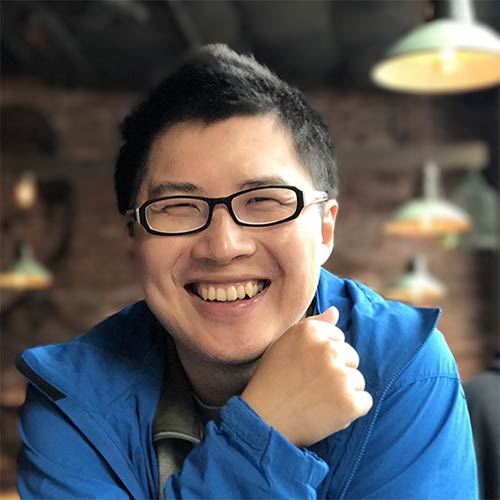
Assistant Professor, Machine Learning & Computer Science, School of Computer Science
Research Interests
- Machine Learning Systems
- Large-scale machine learning
- Knowledge Transfer
Research Talk
Bio
Dr. Chen’s interests lie in the intersection of machine learning and systems. To Tianqi, the real excitement of this area comes from what it can be enabled when bringing advanced learning techniques and systems together. On that end, he is also pushing the direction on deep learning, knowledge transfer, and lifelong learning.
Chen created XGBoost, MXNet, and TVM. He earned his Ph.D. in Computer Science and Engineering at the University of Washington.
3 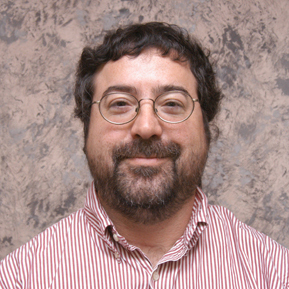
Principal Scientist at Google (full-time)
Consulting Professor, Machine Learning & Language Technologies Institute, School of Computer Science
Research Interests
Bio
Dr. Cohen's research interests include information integration and machine learning, particularly information extraction, text categorization and learning from large datasets. He holds seven patents related to learning, discovery, information retrieval, and data integration, and is the author of more than 100 publications.
4 
Professor, Computer Science, School of Computer Science
Research Interests
- Data Mining
- Social Networks
- Anomaly Detection
Bio
Dr. Faloutsos is working in databases. His research interests include data mining for streams and sensors; pattern discovery in large graphs, and indexing methods for multimedia and biological databases.
5 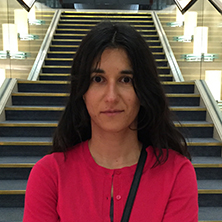
Associate Professor, Machine Learning, School of Computer Science
Research Interests
- Active Vision
- Computer Vision
Bio
Dr. Fragkiadaki's interests are in learning from videos, unsupervised learning, and learning policies of visual processing. She is currently looking into learning algorithms with weak supervision from videos for extracting geometry and semantics, learning a parsing of a video scene that allows prediction of its future evolution. She likes compositional architectures of visual processing as a means towards better generalization and general-purpose platforms to support multiple skill formation and action in the world.
6 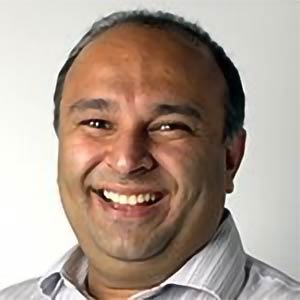
Distinguished Career Professor, Machine Learning, School of Computer Science
Research Interests
- Machine Learning for Social Good
- Fairness
- Bias
- Equity
- Interpretability
- Explainable Machine Learning
- Public Policy
Research Talk
Bio
Dr. Ghani's research interests lie at the intersection of machine learning, public policy, and social sciences. He is interested in solving large-scale and high impact social problems using data-driven and evidence-based methods.
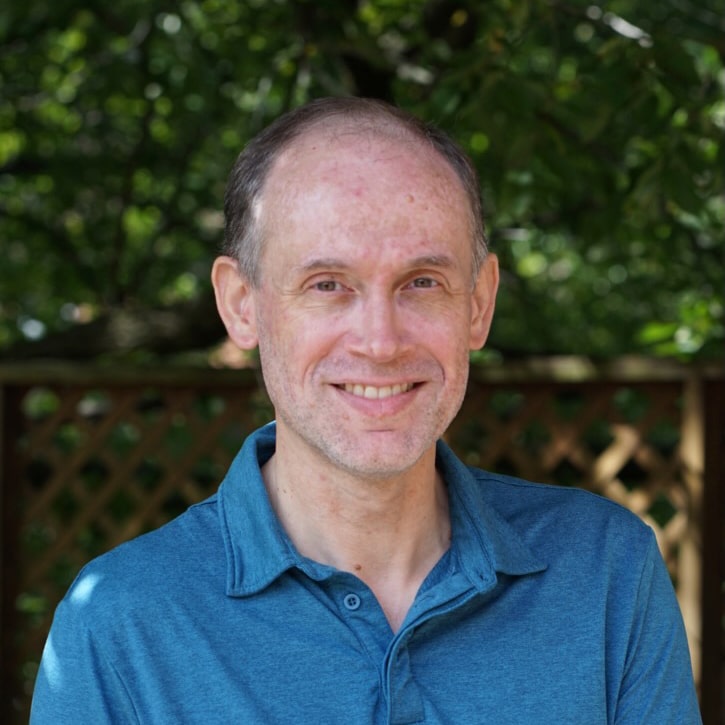 7
7
Professor/Associate Department Head for Education, Machine Learning, School of Computer Science
Research Interests
- Reinforcement Learning
- Statistical Machine Learning
- Optimization
- Spectral Methods
Bio
Dr. Gordon is interested in multiagent learning and planning, statistical models of difficult data (examples include natural-language text and maps of a robot's surroundings), game theory, and computational learning theory.
8 
Associate Teaching Professor/Director of ML Undergraduate Programs, Machine Learning, School of Computer Science
Research Interests
- Deep Learning for Structured Prediction
- Graphical Models
- NLP
Bio
Dr. Gormley's research focuses on machine learning for natural language processing. His interests include global optimization, learning under approximations, hybrids of graphical models and neural networks, and applications where supervised resources are scarce.
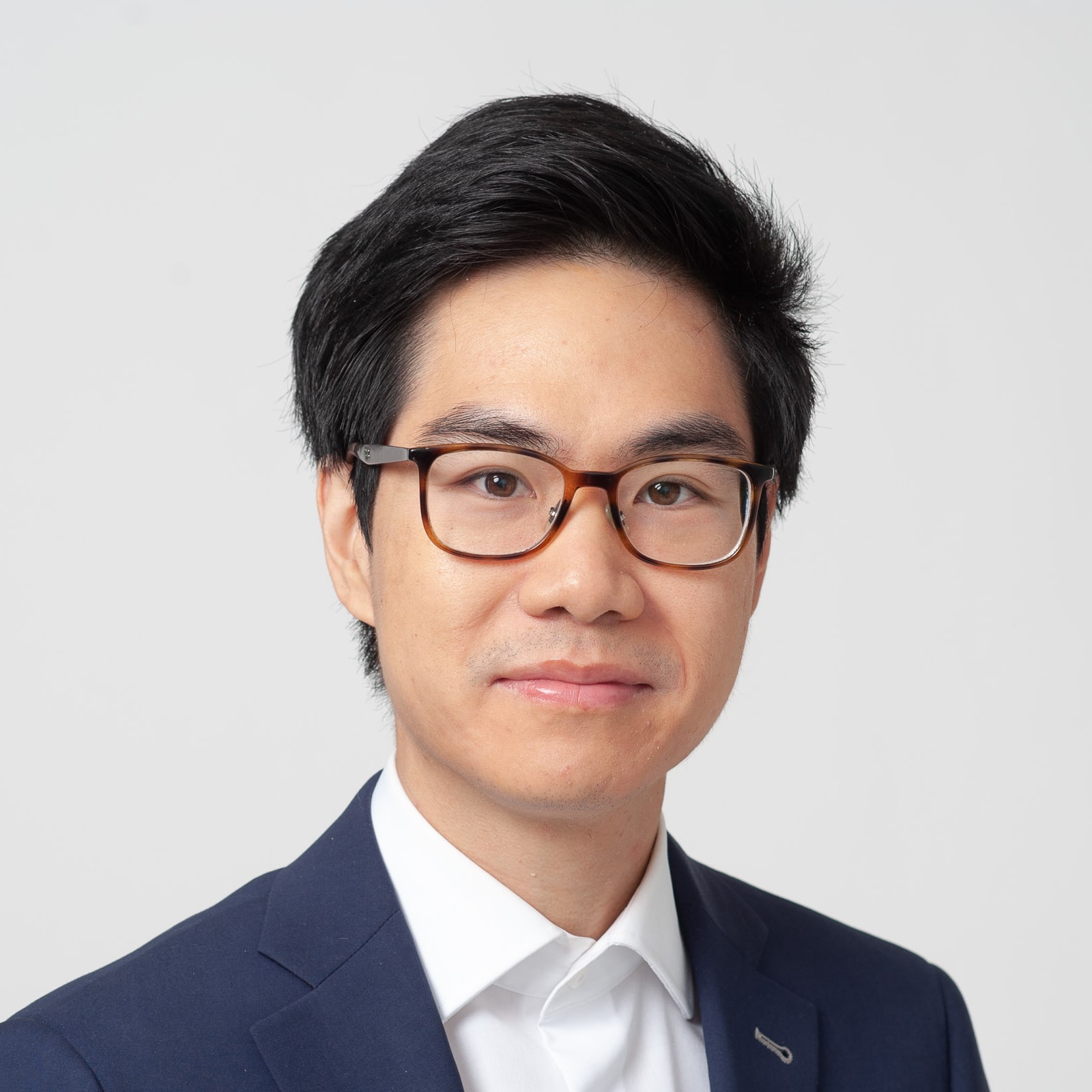
Assistant Professor, Machine Learning, School of Computer Science
Research Interests
- Deep Learning
- Representation Learning
Bio
Dr. Gu is broadly interested in theoretical and empirical aspects of deep learning. His research involves understanding and developing approaches that can be practically useful for modern large-scale machine learning models, such as his current focus on deep sequence models.
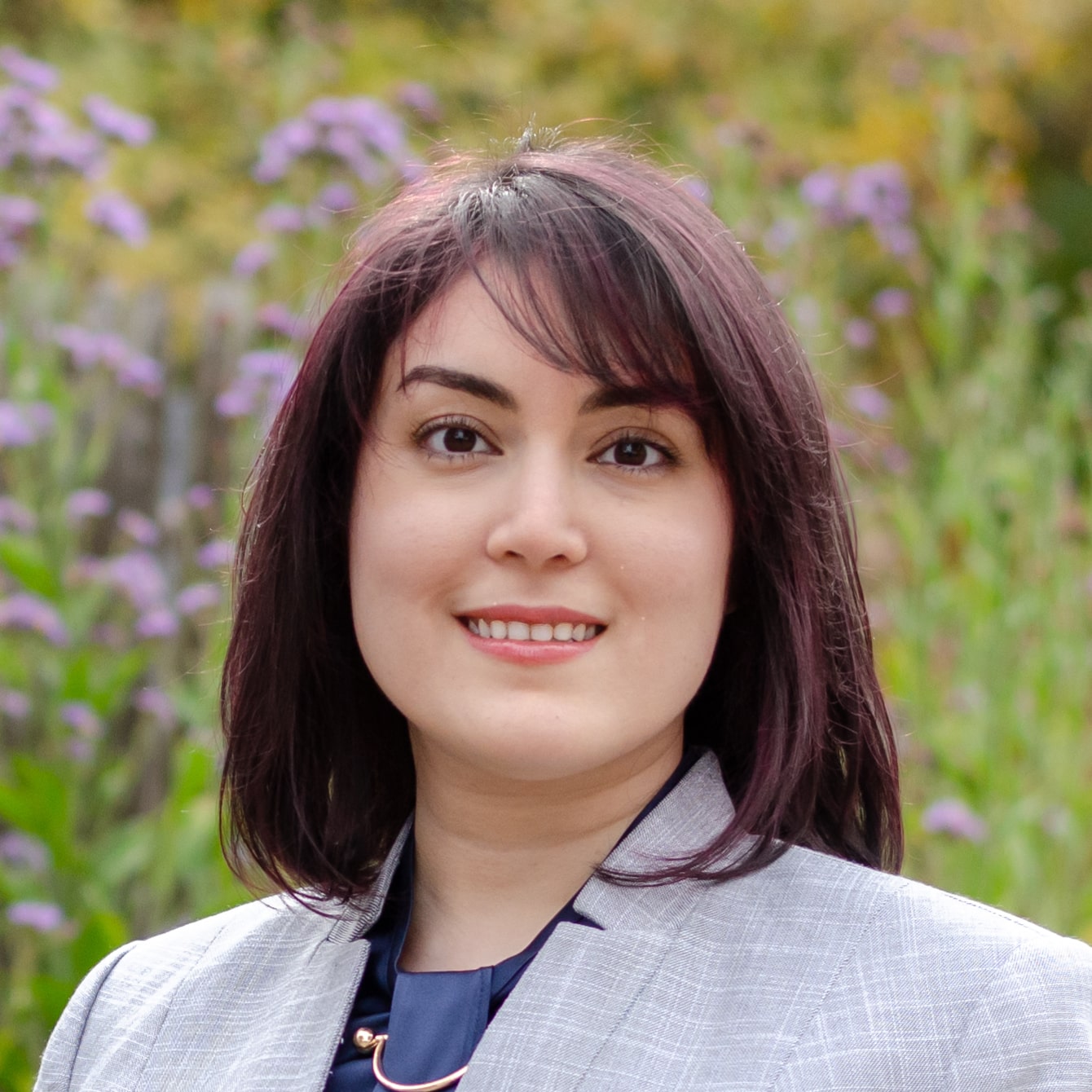
K&L Gates Career Development Professor of Ethics and Computational
Technologies, Machine Learning, School of Computer Science
Research Interests
- Fairness and Bias in ML
- Accountability for AI
- Social and Economic Effects of AI
Bio
Dr. Heidari's research interests lie in the Societal Aspects of Artificial Intelligence and Machine Learning and Algorithmic Economics.
9 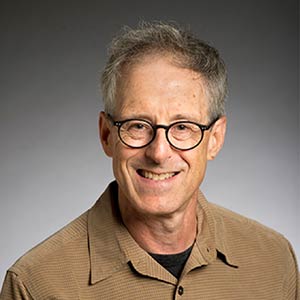
Maurice Falk Professor of Statistics and Computational Neuroscience, Department of Statistics & Data Science, Machine Learning, & Neuroscience Intstitute, Dietrich College of Humanities and Social Sciences & School of Computer Science
Research Interests
- ML in the Brain Sciences
- Statistics in Neuroscience
Bio
Dr. Kass's early work was on Bayesian inference, and on differential geometry in statistics. Since 2000 he has developed and studied statistical methods in neuroscience. Most recently his research has concentrated on identification of interactions across two or more parts of the brain in behaving animals, and in humans.
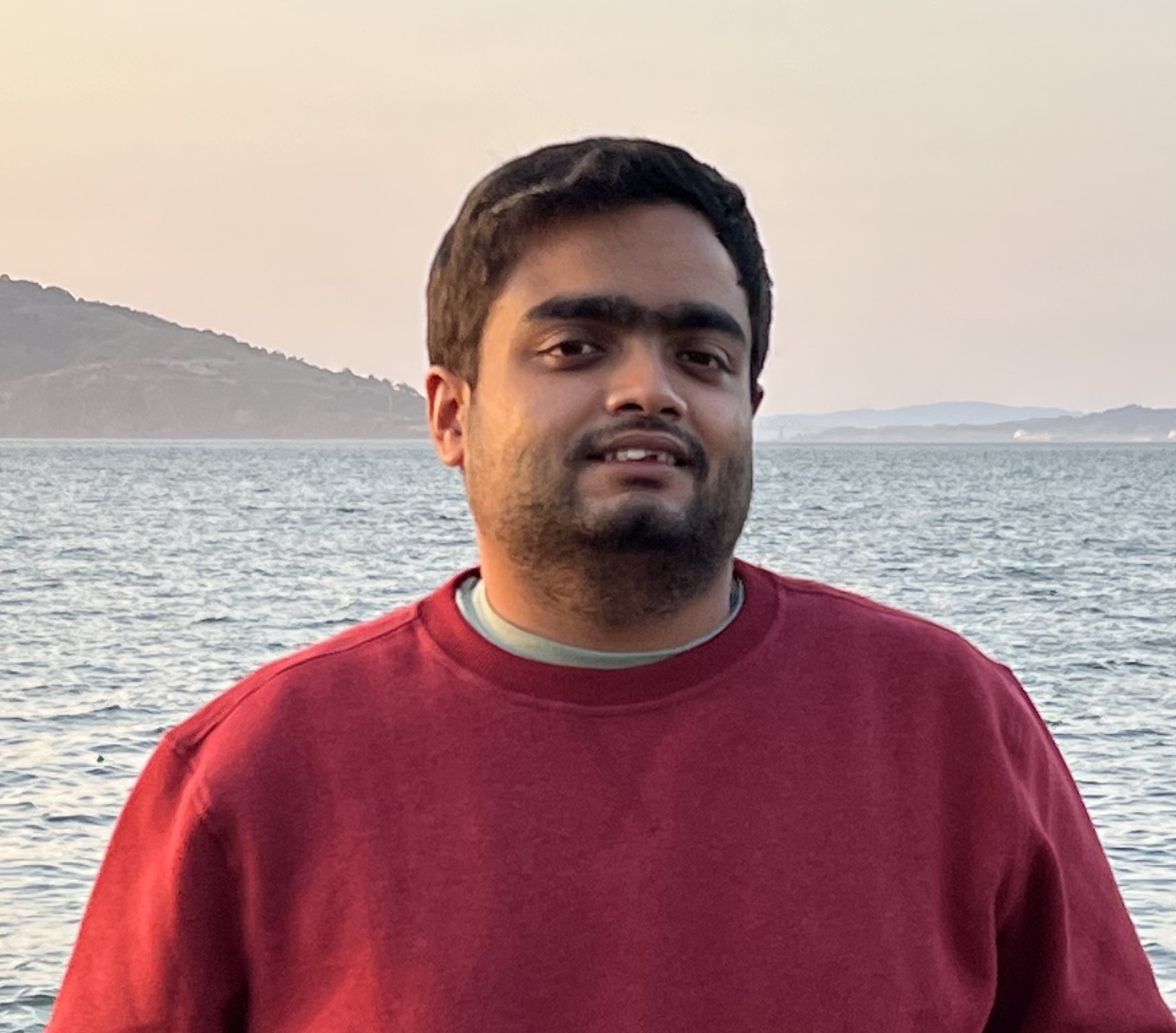
Assistant Professor, Computer Science & Machine Learning, School of Computer Science
RESEARCH INTERESTS:
- Decision-making
- Deep reinforcement learning
- Learning from feedback and interaction
Bio
I am an incoming Assistant Professor, jointly appointed in MLD and CSD. I am interested in developing techniques and algorithms for sequential decision-making. My research has developed foundations of offline reinforcement learning, a field that develops decision-making techniques that can be trained entirely from previously-collected interaction data, going all the way from algorithms to analysis to applications in robotics, chip design, and biology. Broadly, I am interested in developing the next generation decision-making techniques for building autonomous agents which requires tackling problems at an intersection of a number of fields in ML: interaction, reinforcement learning, foundation models, adaptation, etc. More details, including topics I am taking students for, can be found on my website: https://aviralkumar2907.github.io/
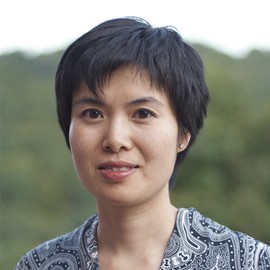 10
10
Professor, Statistics & Machine Learning, Dietrich College of Humanities and Social Sciences & School of Computer Science
Research Interests
- Statistical Learning
- Nonparametric Inference
- Physical Sciences
Bio
Dr. Lee's research interests are pattern analysis and high-dimensional inference. She is currently developing statistical methods and models for analyzing and representing low-dimensional structures embedded in high dimensions with noise. Her work includes spectral data analysis and multi-scale methods with applications in population genetics, astrostatistics and vision.
11 
Assistant Professor, Machine Learning, School of Computer Science
Research Interests
Research Talk
Bio
Dr. Li's work primarily focuses on machine learning. His goal is to design efficient and provable algorithms for practical machine learning problems. He is also very interested in convex/non-convex optimization.
12 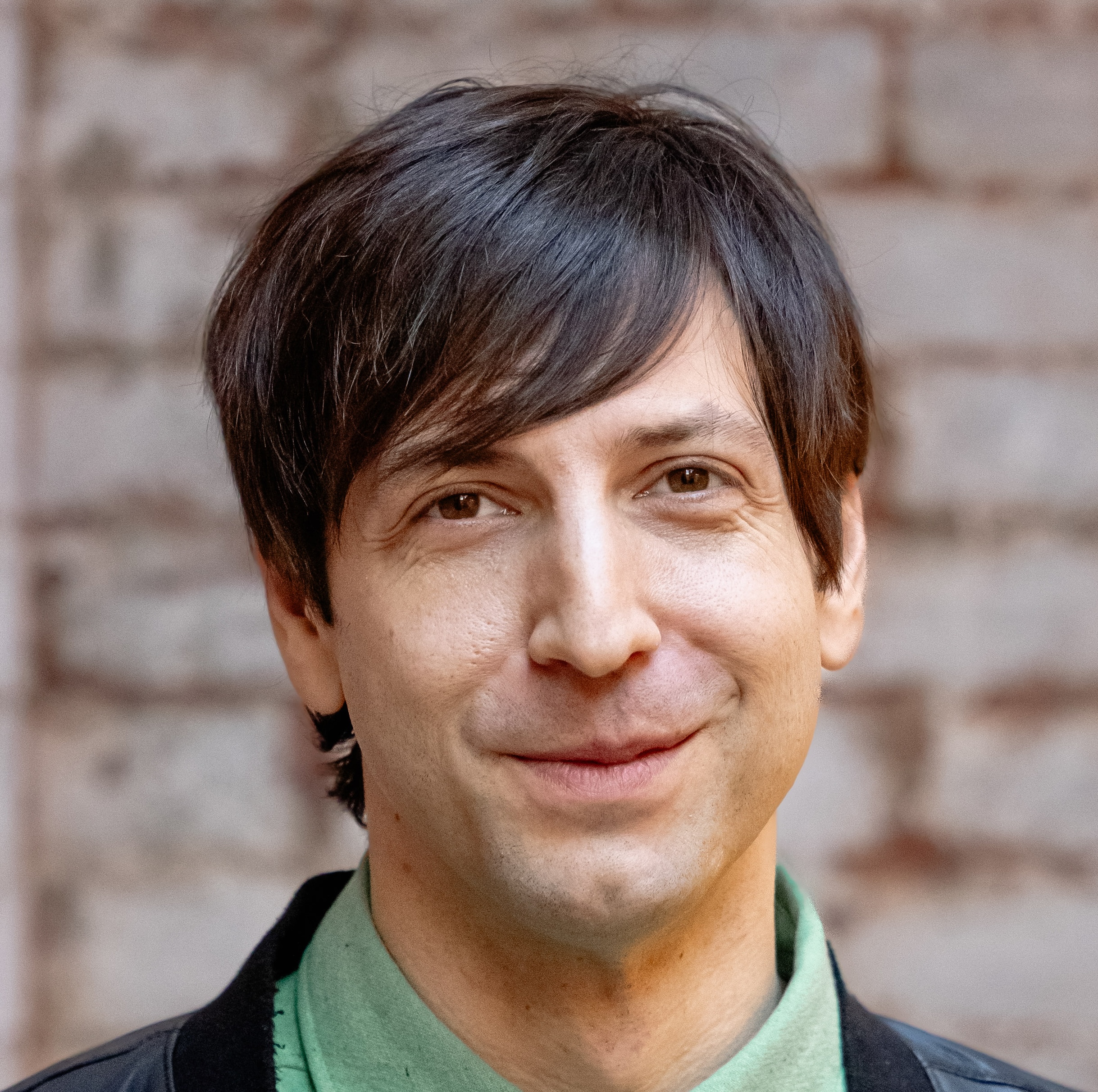
Assistant Professor, Machine Learning & Operations Research, School of Computer Science & Tepper School of Business
Research Interests
- Machine Learning for Healthcare
- Robustness under distribution shift
- Ethics of Technology
- Deep Learning
Bio
Dr. Lipton primarily investigates deep learning, especially recurrent neural networks, deep reinforcement learning, and generative models. His work spans both core methodological challenges and the application of these techniques to problems in clinical healthcare. He is also interested in critical study of the societal impacts of machine learning. This includes the study of algorithmic bias, model interpretability, and the economic impacts of machine learning.
14 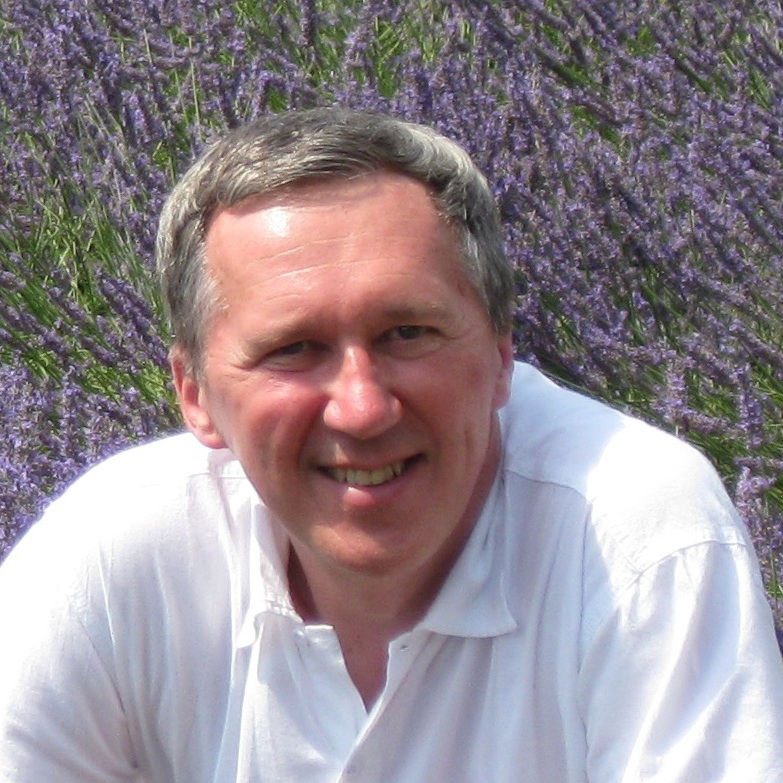
Founders University Professor/Director of ML PhD Programs, Machine Learning, School of Computer Science
Research Interests
- Conversational Machine Learning
- Deep Learning Models of Human Neural Activity
Research Talk
Bio
Dr. Mitchell works on new learning algorithms, such as methods for learning from labeled and unlabeled data. Much of his research is driven by applications of machine learning such as understanding natural language text, and analyzing fMRI brain image data to model human cognition.
15 
Professor, Marketing, Tepper School of Business
Research Interests
- Bayesian Methods
- Gaussian Processes
- Priors with Domain Knowledge
Bio
Dr. Montgomery works on the application of data mining and statistical analysis to solve marketing problems. His research has focused on developing price and promotional strategies from purchase transaction data and the analysis of clickstream data to predict consumer behavior in online environments.
16 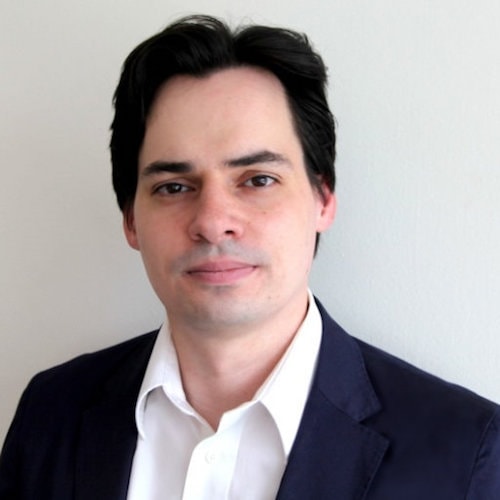
Associate Professor Machine Learning, School of Computer Science
Research Interests
- Machine Learning in Scientific Applications
- Optimization
- Statistical Machine Learning
Bio
Dr. Póczos's research interests lie in the theoretical questions of statistics and their applications to machine learning, computer vision, astronomy, and bioinformatics.
17 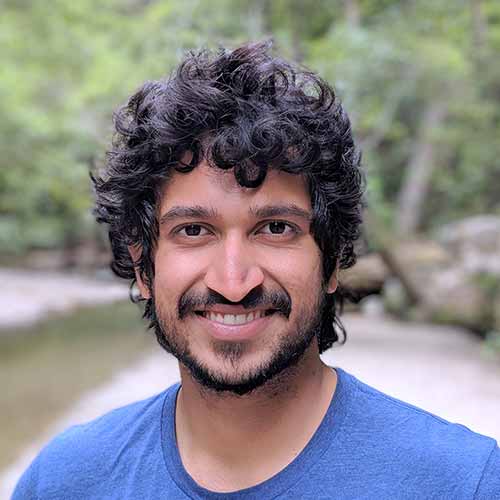
Assistant Professor, Dept. of Statistics and Data Science & Machine Learning, Dietrich College of Humanities and Social Sciences & School of Computer Science
Research Interests
- Multiple Hypothesis Testing
- Sequential Estimation
- Interactive Statistics
- Nonparametric Inference
Research Talk
Bio
Aaditya's research spans theory, algorithms, and applications in machine learning and statistical inference. One line of recent work focuses on the theme of reproducibility in science and technology (multiple hypothesis testing, selective inference) by designing new algorithms for controlling false discoveries in static and dynamic settings. Another line of work involves active sequential experimentation (interactive testing, multi-armed bandits), by designing algorithms that work in online or streaming data settings.
18 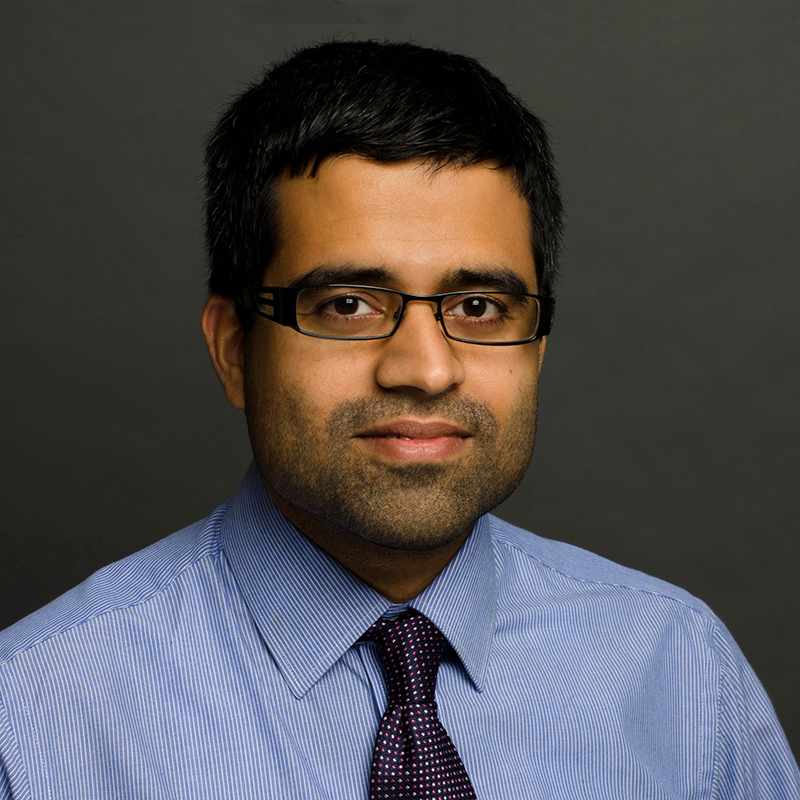
Professor, Machine Learning, School of Computer Science
Research Interests
- Explainable, Robust, Graceful AI
- Statisical Machine Learning
- Learning Theory
Bio
Dr. Ravikumar's research interests are in the area of statistical machine learning broadly. The core problem here has a "comptastical" imperative that combines the statistical imperative of inferring reliable conclusions from limited observations or data, with the computational imperative of doing so with limited computation. His recent research has been on the foundations of such statistical machine learning, with particular emphasis on graphical models, optimization and high-dimensional statistical inference.
19 
Assistant Professor, Machine Learning, School of Computer Science
Research Interests
- Machine Learning Theory
- Theory of Unsupervised Learning
- Theory of Deep Learning
Bio
Dr. Risteski's work focuses on the intersection of machine learning and theoretical computer science. The broad goal of my research is theoretically understanding statistical and algorithmic phenomena and problems arising in modern machine learning.
20 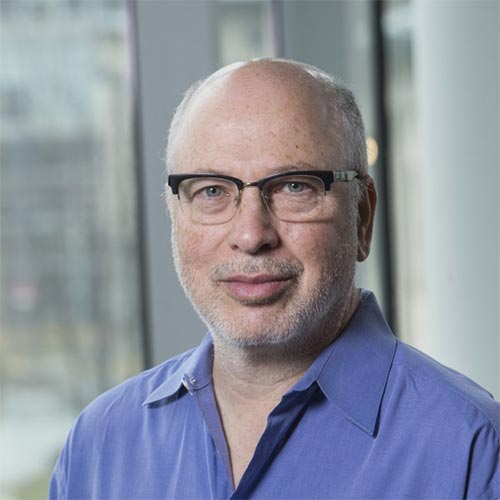
Department Head, Machine Learning Department/Professor, Machine Learning, Language Technologies Institute, Computer Science, Computational Biology, School of Computer Science
Research Interests
Bio
Dr. Rosenfeld’s ML-related work focuses on modeling the evolution of viral epidemics. He uses machine learning, large scale simulations, network analysis and stochastic process theory to try to answer research questions such as:
1. How, and to what extent, can the evolution of infectious diseases like Influenza be predicted?
2. How, and to what extent, is the evolution of viral disease like Influenza affected by public health interventions such as vaccination, antiviral drug use, school closures and travel restrictions?
Dr. Rosenfeld models the spread of epidemics in the population as well as the evolution of the virus itself, such as changes in its virulence, pathogenicity, drug resistance, or antigenicity (immune escape).
21 
UPMC Professor, Machine Learning, School of Computer Science
Research Interests
- Deep Learning
- Reinforcement Learning
- Statistical Machine Learning
Bio
Dr. Salakhutdinov's primary interests lie in artificial intelligence, machine learning, deep learning, and large-scale optimization. His main research goal is to understand the computational and statistical principles required for discovering structure in large amounts of data.
22 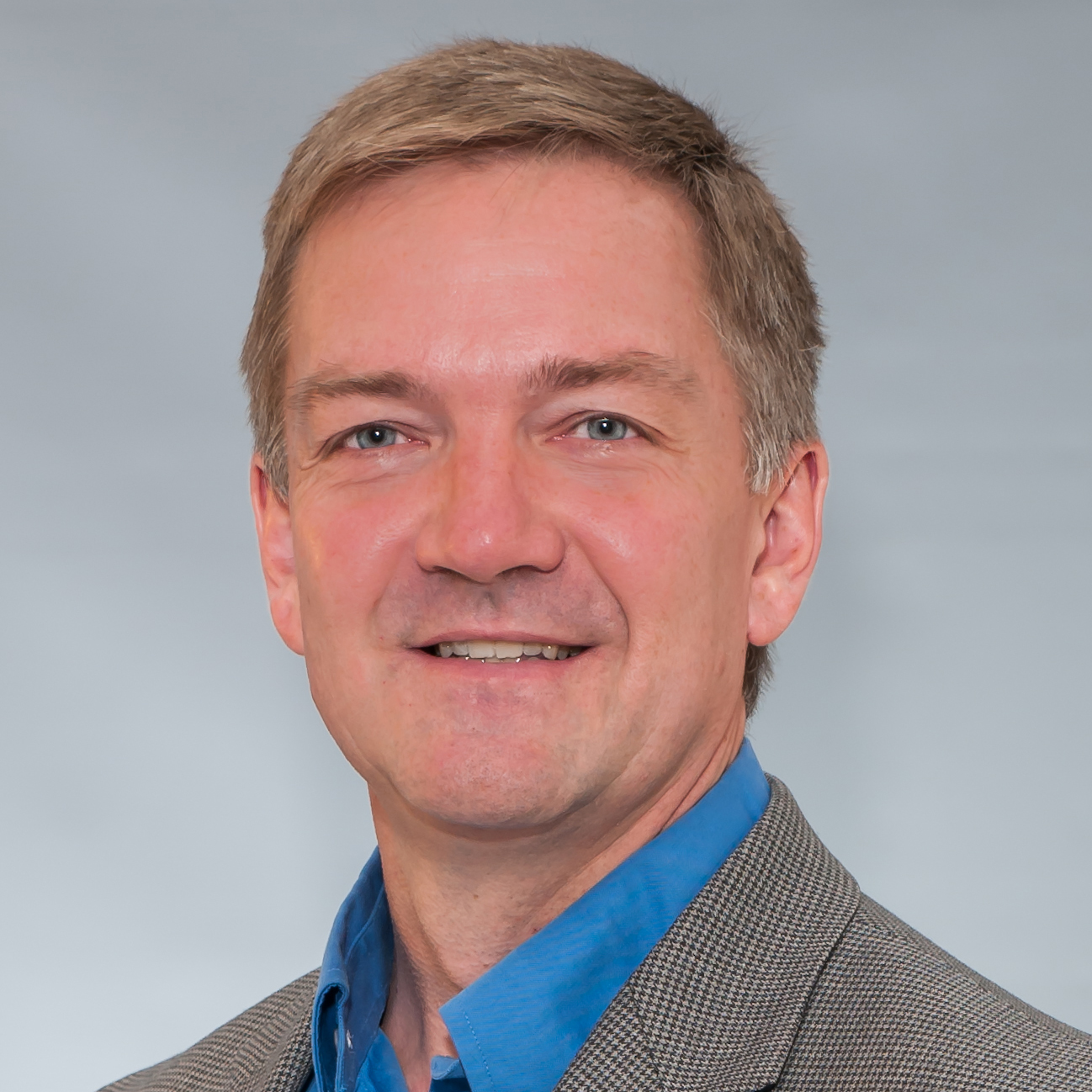
Research Professor, Robotics Institute, School of Computer Science
Research Interests
- Bayesian Optimization
- Reinforcement Learning
- Self-driving Cars
Research Talk
Bio
Dr. Schneider's research interests are in machine learning, reinforcement learning, optimization, and decision making. He has applied his methods to business applications ranging from process control, to production scheduling and inventory management, to long range strategic planning.
23 
Associate Professor, Machine Learning & Computer Science, School of Computer Science
Research Interests
- Fairness
- Game Theory
- Learning Theory
Bio
Dr. Shah's research interests lie in the areas of statistical learning, game theory, and information theory. His current focus is on problems in crowdsourcing and learning from people.
25 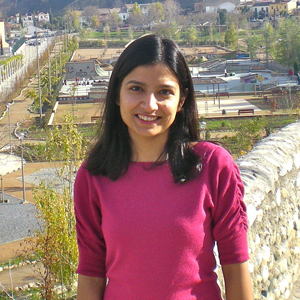
Research Interests
- Statistical machine learning
- Decision making under uncertainty
- Interactive learning
Bio
Dr. Singh's research interests lie in developing principled interactive machine learning algorithms that go beyond finding input-output associations, to make higher level decisions about the most informative data and actions that can improve performance on a task under uncertainty. We focus on both autonomous and human-in-loop settings, developing algorithms that have theoretical performance guarantees (data efficiency, statistical accuracy and computational efficiency), as well as applications to social and scientific domains.
26 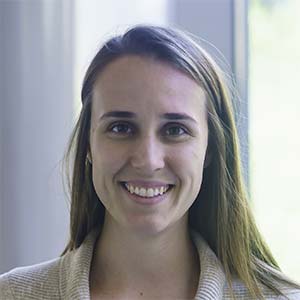
Assistant Professor, Machine Learning, School of Computer Science/ECE: Electrical & Computer Engineering
Research Interests
- Large Scale Machine Learning
- Optimization
- Robust Machine Learning
- Privacy-preserving ML
Bio
Dr. Smith's interests lie at the intersection of machine learning, optimization, and computer systems. A unifying theme of her research is to develop machine learning methods and theory that effectively leverage prior knowledge and account for practical constraints (e.g., hardware capabilities, network capacity, statistical structure). Specific topics include: distributed optimization, large-scale machine learning, resource-constrained learning, multi-task learning, transfer learning, and data augmentation.
27 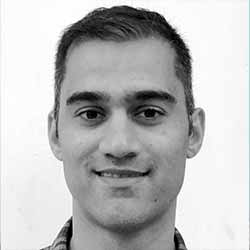
Associate Professor, Machine Learning, School of Computer Science
Research Interests
- Explainable ML
- Auto ML
- Meta Learning
- Fairness
- Parallel and Distributed Machine Learning
- Systems and Machine Learning
Bio
Dr. Talwalkar’s primary interests are in the field of statistical machine learning, including problems at the intersection of systems and learning, and applications in computational genomics. His current work is motivated by the goal of democratizing machine learning, with a focus on topics related to the scalability, automation, and interpretability of learning algorithms and systems.
29 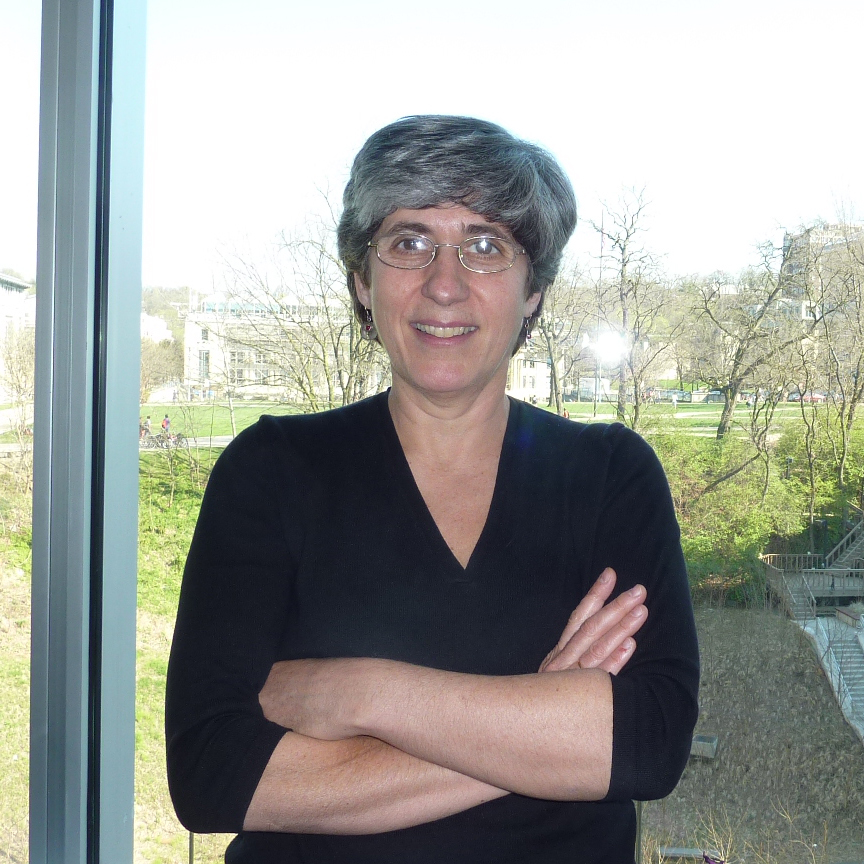
Emeritus, Herbert A. Simon University Professor, Machine Learning & Computer Science, School of Computer Science
Research Interests
- AI Planning and Learning
- Multiagent Systems
Bio
Dr. Veloso works in the field of artificial intelligence, including robotics and learning. Her long-term research goal is the effective construction of teams of intelligent physical agents where cognition, perception, and action are integrated to address planning, execution, and learning tasks.
30 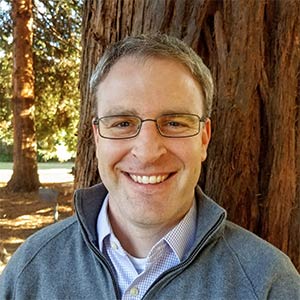
Assistant Teaching Professor, Computer Science & Machine Learning, School of Computer Science
Research Interests
- Active Learning Teaching Methods
- ML/AI Curriculum Development
- AI Educational Outreach
Bio
Pat Virtue focuses on teaching techniques for artificial intelligence, machine learning, and computer science. His interests include active learning teaching methods, effective instruction for large classes, building inclusive learning environments, and AI/ML curriculum development.
31 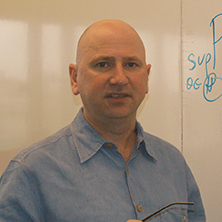
UPMC Professor, Dept. of Statistics and Data Science & Machine Learning, Dietrich College of Humanities and Social Sciences & School of Computer Science
Research Interests
- Nonparametric Inference
- Statistical Learning
Bio
Dr. Wasserman's research interests include nonparametric inference, multiple testing, asymptotic theory, causality, and applications to astrophysics and genetics.
32 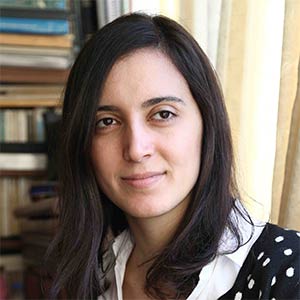
Assistant Professor, Machine Learning, School of Computer Science
Research Interests
- Computational Cognitive Neuroscience
- Natural Language Processing
- ML for Science
Research Talk
Bio
Dr. Wehbe's research is focused on computational modeling of the brain representation of language and other high-level tasks. She uses machine learning and neuroimaging -- fMRI and MEG -- to study how the brain represents information during complex naturalistic tasks such as reading a book or holding a conversation. Her research is at the interface between natural language processing, machine learning and cognitive neuroscience.
32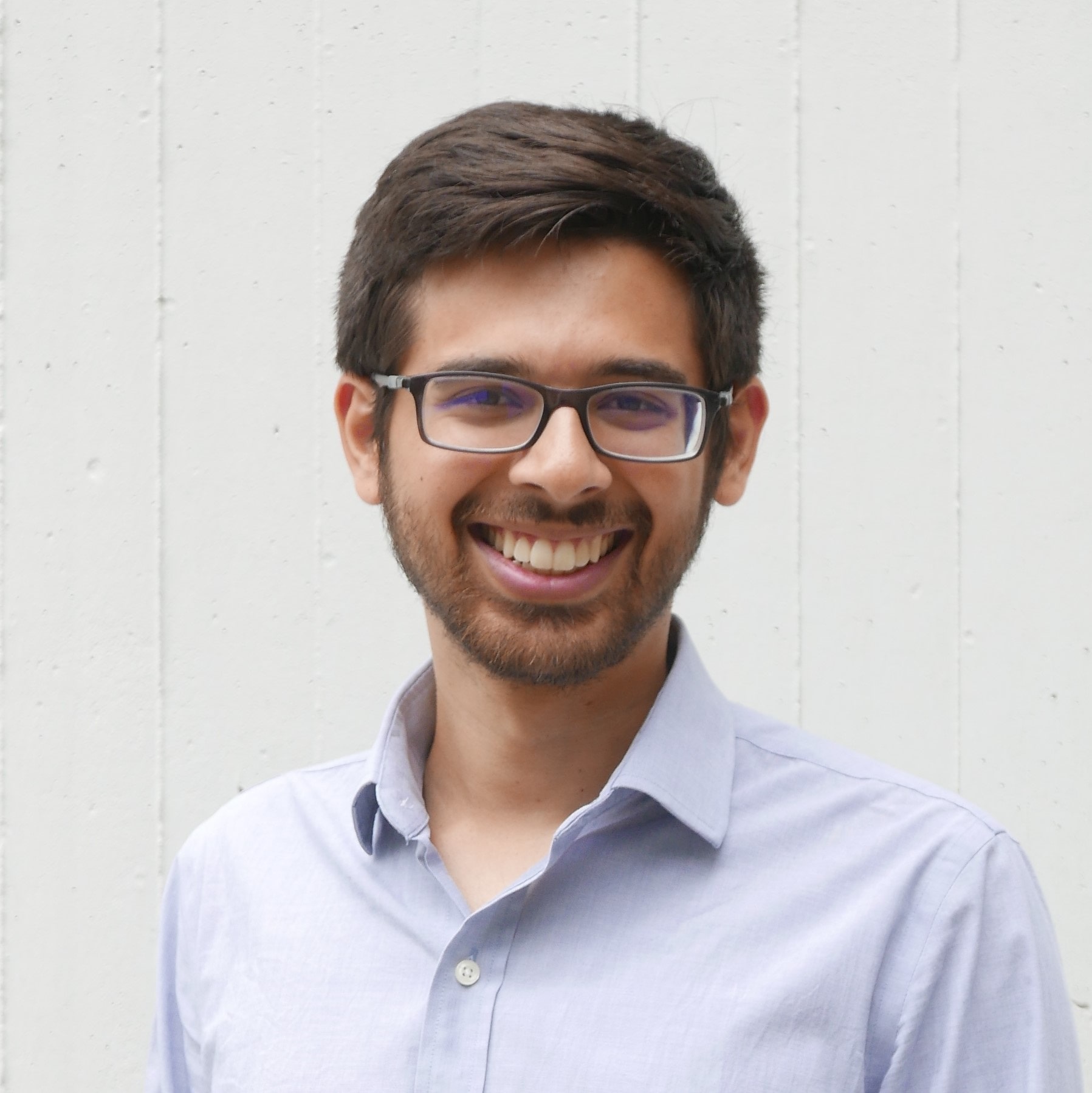
Assistant Professor, Machine Learning, School of Computer Science
Research Interests
- Machine Learning for Social Impact
- Optimization
- Causal inference
- Health
Bio
Dr. Wilder's work focuses on the intersection of machine learning, optimization, and social networks. He designs data-driven and algorithmic methods to improve decision making in socially impactful settings, with a focus on applications in public health.
33 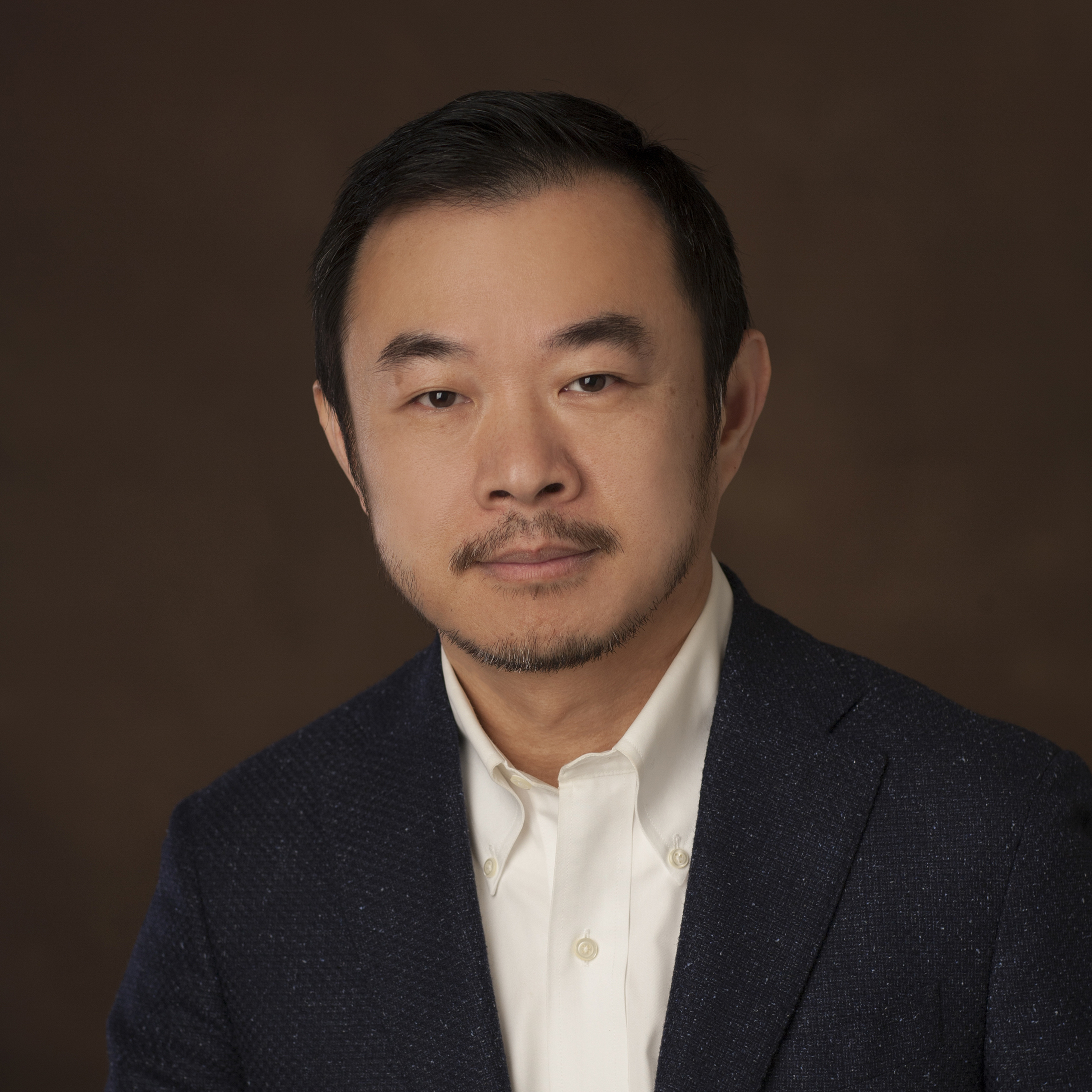
(ON LEAVE) Professor/Associate Department Head for Research, Machine Learning, Language Technologies Institute & Computational Biology, School of Computer Science
Research Interests
Bio
Dr. Xing's principal research interests lie in the development of machine learning and statistical methodology; especially for solving problems involving automated learning, reasoning, and decision-making in high-dimensional and dynamic possible worlds; and for building quantitative models and predictive understandings of natural and built systems. His current work involves:
1) foundations of statistical learning, including theory and algorithms for estimating time/space varying-coefficient models, sparse structured input/output models, and nonparametric Bayesian models.
2) computational and statistical analysis of gene regulation, genetic variation, and disease associations; and 3) application of statistical learning in social networks, data mining, computer vision.
34 
Professor, Language Technologies Institute, School of Computer Science
Research Interests
- Graph-based Learning
- Deep Representation Learning/Architecture Search
- Time Series
Bio
Dr. Yang is a professor in the Language Technologies Institute and the Machine Learning Department in the School of Computer Science at Carnegie Mellon University. Her research has centered on statistical learning methods and their applications to a variety of challenging problems, including text categorization, utility (relevance and novelty) based information distillation from temporally ordered documents, learning to order interrelated prediction tasks, modeling non-deterministic user interactions in multi-session information filtering, personalized active learning for collaborative filtering, personalized email prioritization using social network analysis, cancer prediction based protein/gene expressions in micro-array data, and protein identification from tandem mass spectra.